Refractive lens exchange is a vision correction procedure that replaces the eye’s natural lens with an advanced artificial lens to improve focus and reduce dependence on glasses or contact lenses. It is most often explored by adults experiencing age-related vision changes or higher prescriptions that may not be ideal for laser-based treatments. In this guide, refractive lens exchange is explained in clear language to help you understand how the procedure works and who it may be best suited for.
According to a Cleveland Clinic clinical overview, refractive lens exchange is an elective outpatient procedure that removes the eye’s natural lens and replaces it with an intraocular lens (IOL) to correct refractive errors and improve vision.This guide explains refractive lens exchange, how it compares to other procedures, and how candidacy is determined.
What Is Refractive Lens Exchange and How Does It Work?
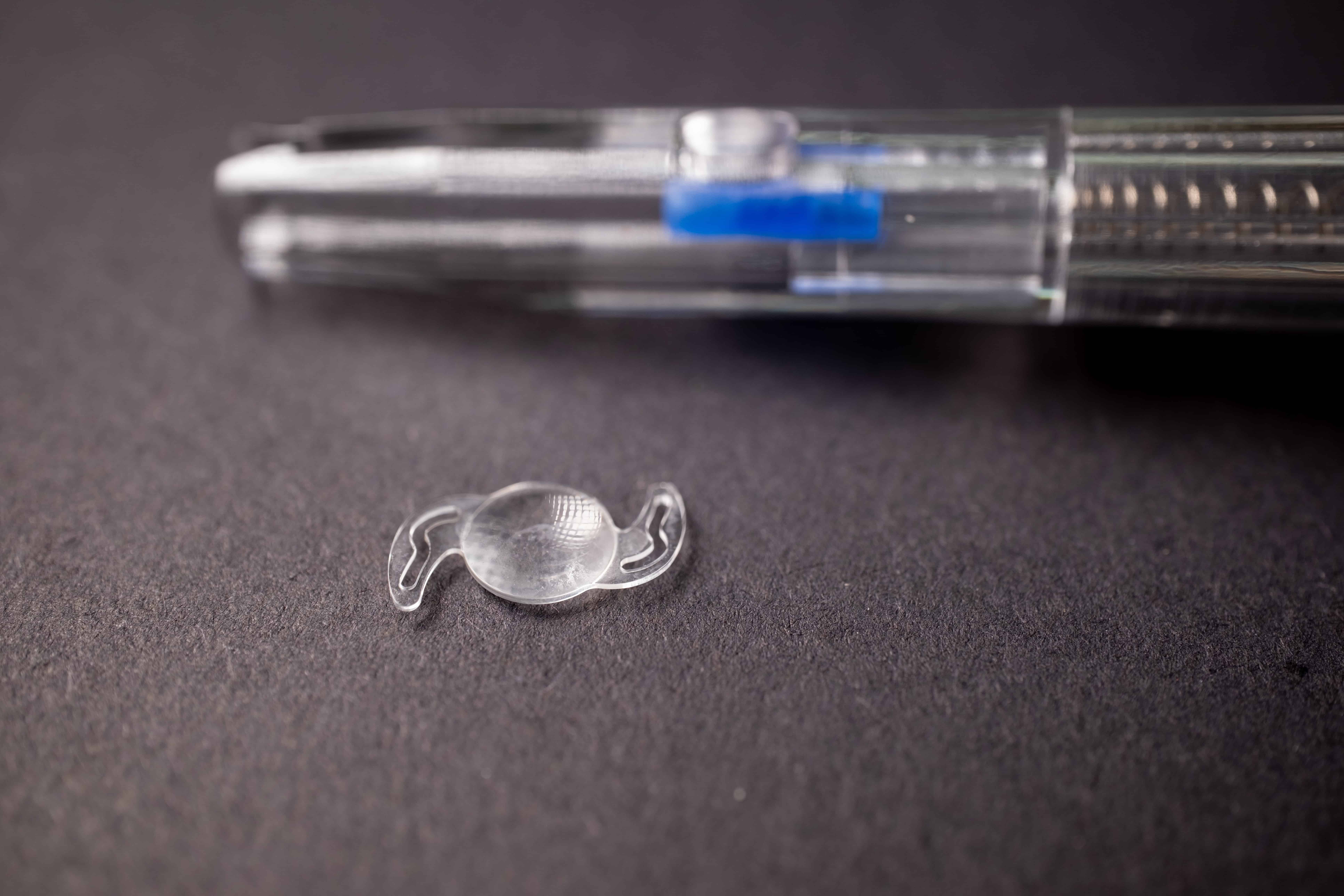
Refractive lens exchange involves removing the eye’s natural lens and replacing it with a customized artificial lens designed to improve how light focuses on the retina. The natural lens can become less flexible over time, making it harder to see clearly up close and sometimes at a distance as well.
Instead of altering the surface of the eye like laser procedures do, this approach directly addresses the lens inside the eye, which plays a central role in focusing vision. The artificial lens is selected based on your prescription, lifestyle needs, and visual goals.
At a high level, the procedure works by:
- Removing the aging natural lens that no longer focuses efficiently
- Implanting a clear, advanced intraocular lens in its place
- Allowing light to focus more precisely for improved visual clarity
Refractive lens exchange is a permanent lens replacement designed to support clearer vision across different distances while reducing reliance on contacts or glasses.
How Is Refractive Lens Exchange Different From LASIK or Cataract Surgery?
Although these procedures all aim to improve vision, they serve different purposes and patient profiles.
LASIK reshapes the cornea to correct refractive errors and is typically ideal for younger patients with stable prescriptions and healthy corneas.
Cataract surgery removes a clouded natural lens when cataracts interfere with daily vision and replaces it with a clear artificial lens.
Lens exchange surgery, however, replaces a clear but aging lens to improve focusing ability and long-term visual performance before cataracts become an issue. It is actually a proactive procedure against ever developing cataracts because the natural, aging lens is removed.
Key differences at a glance include:
- LASIK treats the surface of the eye, not the lens, and is best for people under 40 whose prescription has remained stable
- Cataract surgery treats lens clouding that already affects vision
- Refractive lens exchange proactively addresses focusing decline and prescription needs, and eliminates the risk of developing cataracts as you age
Rather than correcting vision at the corneal level, refractive lens exchange works within the eye itself, making it a strong option for patients who may not be ideal candidates for laser correction.
Who Is Refractive Lens Exchange Best For?
Refractive lens exchange is a personalized solution, and candidacy is determined through a comprehensive eye examination. While every patient is unique, common characteristics among strong candidates often include:
- Adults experiencing presbyopia or age-related near-vision decline
- Individuals with higher farsightedness or complex prescriptions
- Patients seeking long-term correction not dependent on corneal reshaping
- Those who may not qualify for LASIK or similar laser procedures, or who have had LASIK previously and want to maintain clear vision as they age
Lifestyle goals also play an important role. Some patients prioritize reading without glasses, others focus on driving clarity, and many want balanced vision across daily activities.
An in-office evaluation confirms whether your eye health, vision structure, and goals align with refractive lens exchange as a safe and effective option.
What Vision Goals Can Lens Replacement for Vision Support?
Modern intraocular lens technology allows vision correction to be tailored to different focal ranges. Patients commonly explore refractive lens exchange to support everyday activities without constantly switching glasses.
Common goals include:
- Clear distance vision for driving and outdoor activities
- Strong intermediate vision for computer work and screens
- Improved near vision for reading and close tasks
- Reduced dependence on bifocals or multiple prescriptions
Lens replacement for vision focuses on balanced functionality rather than a single point of clarity. While outcomes vary by individual, thoughtful lens selection helps align results with personal lifestyle needs and expectations.
What Should Patients Ask Before Choosing Refractive Lens Exchange?
An informed patient is an empowered patient. Asking the right questions during your consultation helps ensure clarity and confidence moving forward.
Helpful questions include:
- Am I a good candidate based on my eye health and prescription?
- What lens types are available and how do they differ?
- What realistic vision improvements should I expect?
- How does recovery typically progress?
- What long-term care or follow-up is involved?
A comprehensive eye exam combined with transparent discussion ensures you understand both the benefits and considerations of refractive lens exchange before making a decision.
Refractive Lens Exchange at Reno’s Eye Care Professionals
At Eye Care Professionals in Reno, we take a personalized, education-first approach to refractive lens exchange evaluations. Our team focuses on understanding your vision goals, eye health, and daily lifestyle needs before recommending any advanced vision correction option.
We use modern diagnostic technology and thorough assessments to determine candidacy while ensuring you feel informed and confident every step of the way. Patients interested in lens exchange surgery are encouraged to explore our refractive surgery options and request a consultation through our refractive surgery service page to begin their personalized vision journey.
What Reno Patients Are Saying
Melissa R.
“The entire team made me feel informed and comfortable from the first visit. The clarity I have now has made everyday life so much easier.”
David L.
“I appreciated how clearly everything was explained before making my decision. The care was professional, supportive, and truly patient-focused.”
Angela S.
“The experience exceeded my expectations. I felt listened to, well cared for, and confident throughout the entire process.”
Is Refractive Lens Exchange the Right Option for Your Vision?
Refractive lens exchange offers a personalized solution for adults seeking long-term vision correction beyond traditional glasses, contacts, or laser procedures. By replacing the natural lens with advanced technology, many patients experience clearer vision at distance while maintaining everyday visual comfort and avoiding the development of cataracts.
Because every eye is unique, candidacy and results depend on a comprehensive evaluation and shared decision-making with your eye care provider.
If you’re considering advanced vision correction, learning more about refractive surgery options and scheduling a consultation is the best next step toward clearer, more confident vision.