
Why Cataract Surgery with Advanced IOLs Is Often the Better Option in Reno, NV
As we age, it’s common to notice changes in vision—difficulty reading, trouble driving at night, or increasing reliance on glasses. While these changes are normal, they don’t have to limit your lifestyle.
At Eye Care Professionals in Reno, NV, many patients ask about Refractive Lens Exchange (RLE) as a solution. While RLE is a safe and effective procedure, it is not typically the best option for patients in their 70s and 80s.
For most patients in this age group, cataract surgery with advanced intraocular lenses (IOLs) offers a better, more practical solution—both medically and financially.
What Is Refractive Lens Exchange (RLE)?
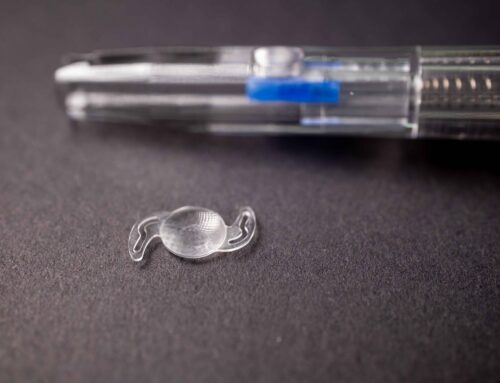
Refractive Lens Exchange is a vision correction procedure that replaces the eye’s natural lens with a customized artificial intraocular lens (IOL).
It is nearly identical to cataract surgery in technique. According to the American Society of Cataract and Refractive Surgery (ASCRS), lens replacement procedures have a success rate of over 98%.
Key Difference:
- RLE = Elective vision correction (like LASIK)
- Cataract Surgery = Medically necessary treatment for cloudy lenses
Why RLE Is Not the Best Option for Patients in Their 70s and 80s
While many older adults are active and want freedom from glasses, timing matters when choosing the right procedure.
1. Most Patients Already Have Cataracts
By your 70s or 80s, it’s highly likely you’ve developed cataracts, even in early stages. These are often the primary cause of vision decline, not just refractive error.
2. Cataract Surgery Treats the Root Cause
Cataract surgery removes the cloudy lens and replaces it with an advanced IOL that can also correct vision.
With today’s technology, patients can improve:
- Distance vision
- Night vision
- Near vision
- Astigmatism
3. Cataract Surgery Is Usually Covered by Insurance
This is a major differentiator for Reno-area patients:
- RLE → Elective → Not covered by insurance
- Cataract Surgery → Medically necessary → Typically covered
While premium lenses may involve out of pocket expenses, the procedure itself is often covered—making it significantly more cost-effective.
The Best Option in Your 70s or 80s: Cataract Surgery with Advanced IOLs
At Eye Care Professionals in Reno, we recommend cataract surgery with advanced IOLs for most patients in this age group.
Benefits include:
- Clear, brighter vision by removing cataracts
- Reduced dependence on glasses
- Improved quality of life for daily activities
- Access to insurance coverage
Many patients report a noticeable “brightening” of vision and improved confidence in everyday tasks.
Is RLE Safe? Yes – But It’s About the Right Timing
The real question isn’t safety, it’s whether it’s the right procedure for your stage of life. RLE uses the same proven techniques as cataract surgery, one of the safest and most commonly performed procedures in the world.
- Success rates exceed 98%
- Serious complications are rare
- Retinal detachment risk is approximately 1 in 500 (IRIS Registry data)
Who Is a Good Candidate for RLE? (Typically Ages 40–60)
RLE is an excellent option for younger patients in Reno and Northern Nevada who want long-term vision correction.
Ideal candidates:
- Experiencing presbyopia (reading vision decline)
- Frustrated with glasses or contacts
- Not ideal LASIK candidates, or have had LASIK in the past and are noticing vision changes as they age
- Want a permanent solution
One of the biggest advantages to having RLE in your 40s and 50s is that it actually prevents cataracts. By removing the natural lens and replacing it with an artificial lens, patients never develop cataracts as they age. Patients experience vision correction and prevention of cataracts all in one procedure.
With active lifestyles in Reno, from golf to travel to outdoor recreation, patients are looking for long-term solutions to maintain independence.
More than 4 million cataract and lens procedures are performed annually in the U.S., and demand continues to grow.
The key distinction:
- Ages 40–60 → RLE (proactive vision correction)
- Ages 70–80+ → Cataract surgery (necessary + corrective)
Why Choose Eye Care Professionals in Reno, NV?
At Eye Care Professionals, we take a personalized approach to vision correction.
Your consultation includes:
- Comprehensive eye exam
- Advanced diagnostic imaging
- Customized IOL recommendations
- Clear guidance on the best procedure for your age and goals
We help you choose the right path, not just the newest option.
Schedule your consultation today with Eye Care Professionals in Reno, NV.
FAQs
What is the difference between RLE and cataract surgery?
Refractive Lens Exchange (RLE) is an elective vision correction procedure, while cataract surgery is performed to remove a cloudy lens. Both use similar techniques, but cataract surgery is typically medically necessary and often covered by insurance.
Is RLE recommended for patients in their 70s or 80s?
Most patients in their 70s and 80s are better candidates for cataract surgery, as cataracts are usually already present. Cataract surgery treats the underlying issue while also correcting vision.
Does cataract surgery correct vision like LASIK or RLE?
In many cases, yes. With advanced intraocular lenses (IOLs), cataract surgery can reduce or eliminate the need for glasses by correcting distance, near vision, and astigmatism.
Is cataract surgery covered by insurance in Reno, NV?
In most cases, yes. Cataract surgery is considered medically necessary and is typically covered by insurance. Premium lens upgrades may involve additional cost.
Who is a good candidate for RLE?
RLE is best for patients in their 40s to 60s who want to reduce dependence on glasses and prevent future cataracts. It is often recommended for those with presbyopia or who are not ideal LASIK candidates.
Where can I get cataract surgery or RLE in Reno, NV?
Eye Care Professionals in Reno offers comprehensive evaluations, advanced diagnostics, and customized treatment plans for both cataract surgery and refractive lens exchange.