Your vision plays a critical role in your independence, safety, and overall quality of life. However, many people overlook the early signs of vision degeneration, assuming changes are simply part of aging. Recognizing these early warning signs and understanding their causes can help you take timely action and protect your long-term eye health. With support from Eye Care Professionals, patients can benefit from early detection and advanced care tailored to their needs
What is Vision Degeneration and Why Does it Happen?
Vision degeneration refers to the gradual decline in how clearly and effectively your eyes function. This can involve damage to different parts of the eye, including the cornea, lens, optic nerve, or retina. In many cases, degeneration affects the part of the retina responsible for central vision, making it difficult to see fine detail or recognize faces.
Several factors contribute to this process, including genetics, aging, and underlying health conditions such as high blood pressure or uncontrolled blood sugar. Reduced blood flow to the eyes can also impact how well visual structures function over time. While some changes are inevitable, others are linked to specific eye conditions that require medical attention. This is why early detection plays such an important role in preventing permanent vision loss.
Common Declining Eyesight Causes You Shouldn’t Ignore
Understanding the most common causes of declining eyesight can help you identify risks before they progress. Many of these factors are preventable or manageable with proper care.
- Aging and natural structural changes in the eye
- Chronic conditions like high blood pressure and diabetic retinopathy
- Excessive screen time causing digital eye strain
- Poor nutrition, lacking essential vitamins for eye health
- UV exposure without proper protection
- Fluctuating blood sugar levels affect retinal health
These declining eyesight causes may seem minor at first, but over time, they can lead to more serious complications if not addressed. Being proactive about your eye health can significantly reduce long-term risks.
Normal Aging vs. Age-Related Vision Loss: Knowing the Difference
Not all vision changes are the same. While aging naturally affects your eyes, it is important to distinguish between normal changes and age-related vision loss.
Normal aging may include needing more light to read or having difficulty focusing on nearby objects. These changes are usually manageable and do not significantly impact your field of vision.
In contrast, age-related vision loss involves progressive damage caused by underlying eye conditions. This may include reduced ability to see straight lines clearly, development of blind spots, or distortion in central vision. These symptoms often indicate more serious issues such as age-related macular degeneration, which can affect daily activities and independence if left untreated.
Key Vision Degeneration Symptoms to Watch Out For
Recognizing early signs of vision degeneration can make a significant difference in preserving your eyesight. Many symptoms develop gradually, making them easy to ignore.
Common vision degeneration symptoms include:
- Blurry or distorted vision
- Difficulty seeing fine detail or reading small text
- Increased light sensitivity or glare discomfort
- Trouble seeing at night or in dim environments
- Loss of peripheral or side vision
- Seeing floaters, flashes, or dark spots
- Difficulty identifying straight lines or noticing blind spots
If you notice any of these signs of vision degeneration, it is important to consult an eye doctor for a thorough evaluation.
Common Age-Related Eye Conditions (Macular Degeneration, Cataracts, and Glaucoma)
Several eye conditions are closely linked to vision degeneration, especially as people age. Understanding these conditions can help you recognize potential risks.
Age-related Macular Degeneration (AMD) is one of the leading causes of age-related vision loss. It affects the central part of the retina and can exist in two forms: dry AMD and wet AMD. Dry AMD progresses slowly, while wet AMD involves abnormal blood vessel growth that can cause rapid vision changes.
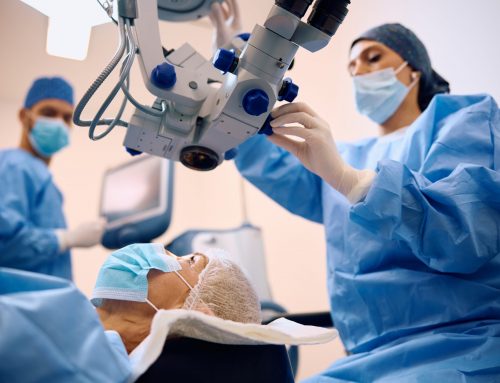
Cataracts develop when the eye’s natural lens becomes cloudy, leading to blurred vision and increased sensitivity to light. This condition is highly treatable with modern surgical techniques.
Glaucoma damages the optic nerve, often due to increased intraocular pressure. It can gradually reduce your field of vision without noticeable symptoms, making regular eye exams essential.
Other conditions, such as diabetic retinopathy, can also impact vision by damaging blood vessels in the retina, particularly in individuals with uncontrolled blood sugar levels.
Can You Slow Down or Prevent Vision Degeneration?
While not all cases can be prevented, there are practical ways to reduce your risk and support long-term eye health.
- Maintain a nutrient-rich diet with eye-supporting vitamins
- Protect your eyes from UV exposure with quality sunglasses
- Manage chronic conditions like high blood pressure and diabetes
- Take regular breaks from screens to reduce strain
- Stay physically active to support healthy blood flow
- Schedule regular eye exams for early detection
These steps can help slow progression and preserve your vision, especially when combined with professional care from Eye Care Professionals.
At-Home Vision Checks vs. Comprehensive Eye Care
At-home vision checks can help you notice basic changes, such as difficulty focusing or reading. However, they cannot detect deeper issues affecting internal eye structures.
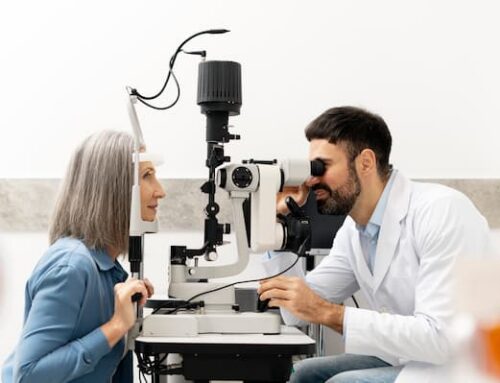
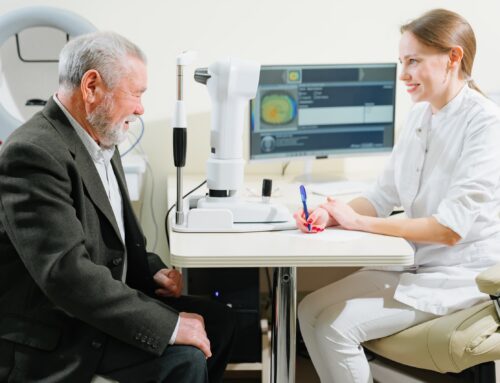
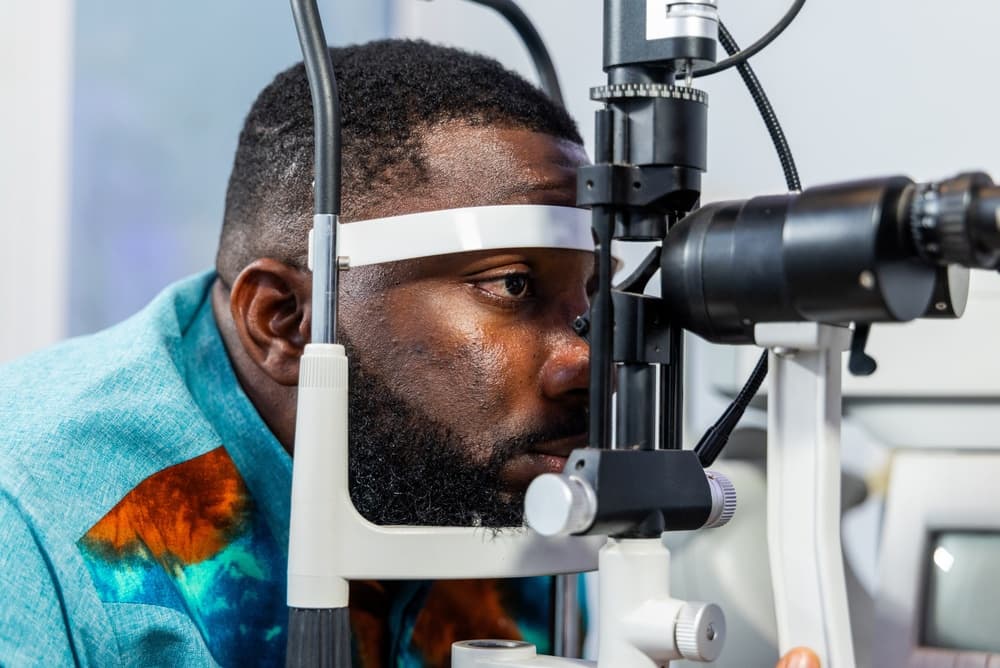
Comprehensive eye exams performed by an eye doctor provide a full evaluation of your eye health. These exams assess everything from visual acuity to retinal health, helping identify early signs of eye conditions before symptoms worsen.
Relying only on at-home checks can delay diagnosis, while professional care ensures accurate monitoring and timely treatment when needed.
When to Seek Professional Eye Care in Reno
Proactively, you should get an eye exam every year after age 55. However, yYou should seek professional eye care as soon as you notice persistent changes in vision, increased light sensitivity, blurred images, difficulty seeing fine detail, or disruptions in your field of vision. These signs of vision degeneration may indicate underlying eye conditions that require early detection to prevent permanent vision loss.
Don’t wait for symptoms to worsen—schedule an appointment with Eye Care Professionals today to receive personalized care, advanced diagnostics, and expert guidance to protect your vision and long-term eye health.