As we grow older, maintaining clear and healthy vision becomes increasingly important. The importance of routine eye exams as you age cannot be overstated, especially when many vision problems develop without noticeable symptoms. Prioritizing eye exams for seniors is essential not only for maintaining independence but also for preserving overall eye health and quality of life. Vision Health Month eye exams serve as a timely reminder to stay proactive about your vision care.
Why Aging Eyes Require Extra Attention and Care
Aging naturally affects how your eyes function, often leading to gradual changes in focus, clarity, and sensitivity to light. While some changes are expected, others may signal the early stages of eye problems that require professional care.
As you age, your risk of conditions that affect central vision, depth perception, and your ability to see clearly at 20 feet or more increases. Additionally, underlying health conditions can impact vision and eye health, making regular monitoring essential.
Routine eye checkups help ensure that even subtle changes are identified early, allowing for timely intervention and better long-term outcomes.
The Silent Threat of Progressive Eye Diseases
Many serious eye problems develop in the early stages without obvious symptoms, making them especially dangerous if left undetected. Conditions like glaucoma, macular degeneration, and diabetic-related eye issues can progress quietly until significant damage has already occurred.
These diseases often affect central vision or peripheral awareness, gradually reducing your ability to perform daily tasks. Because symptoms may not appear until later stages, routine eye checkups are critical in detecting these conditions before they lead to irreversible vision loss.
Eye Care Professionals emphasizes early detection through advanced eye examinations, helping patients protect their vision before complications arise.
Top Benefits of Comprehensive Eye Exams for Seniors
Comprehensive eye exams provide far more than a simple vision test. They offer a complete evaluation of your eye health and help identify potential concerns early.
Key benefits include:
- Early detection of eye problems before symptoms appear
- Updated prescriptions for glasses or contact lenses
- Monitoring for conditions affecting central vision
- Assessment of overall eye health and function
- Guidance on preventive vision care strategies
These exams are very thorough and your first visit can typically take 2-3 hours, but they provide valuable insights to you and your eye doctor about your long-term vision and eye health.
How Routine Eye Checkups Can Catch Issues Before They Steal Your Sight
Routine eye checkups play a vital role in preventing vision loss by identifying issues in their earliest stages. Many eye conditions can be managed effectively if caught early, reducing the risk of permanent damage.
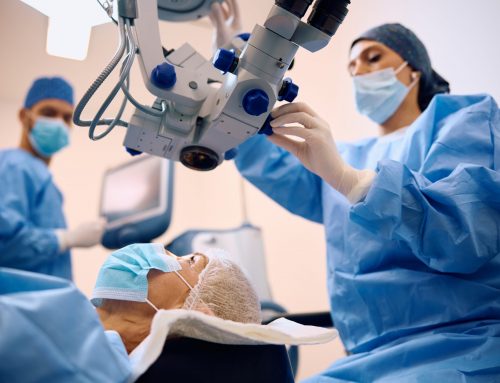
An experienced eye doctor can detect subtle changes in the eye’s structure, blood flow, and function long before noticeable symptoms occur. This proactive approach allows for timely treatment, whether through lifestyle adjustments, medications, or procedures such as cataract surgery.
Eye exams are essential for maintaining long-term vision care, especially as the risk of developing eye conditions increases with age.
Vision Health Month Eye Exams: The Perfect Time to Prioritize Preventive Care
Vision Health Month eye exams provide an excellent opportunity to focus on preventive care and take control of your eye health. This dedicated time encourages individuals, especially older adults, to schedule an annual eye exam and to maintain a consistent care routine.
Preventive care not only helps detect vision problems early but also supports better outcomes by reducing the likelihood of complications. Staying consistent with eye examinations helps keep your eyes healthy and your vision as clear as possible.
By prioritizing routine eye checkups during Vision Health Month, you are investing in your long-term quality of life.
What Older Adults Should Expect During a Comprehensive Eye Exam
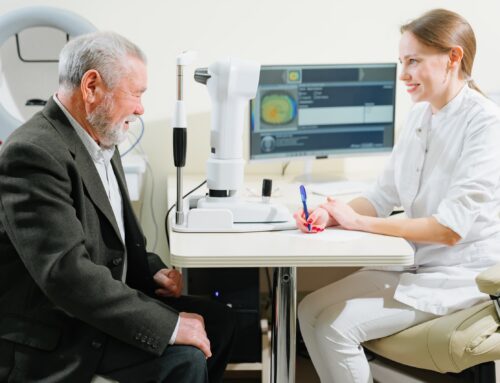
Understanding what happens during an eye exam can help you feel more comfortable and prepared for your visit.
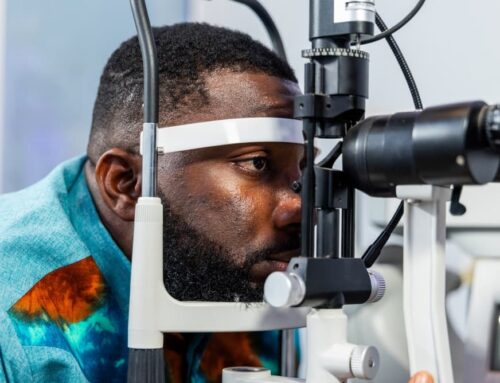
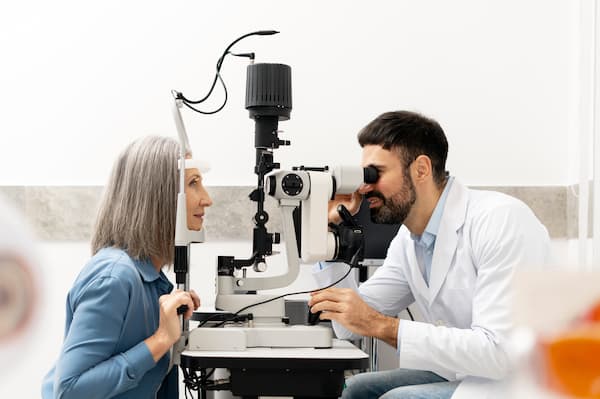
During a comprehensive exam, your provider will:
- Evaluate your visual acuity, including how well you see at different distances, such as 20 feet
- Check for signs of eye problems or disease
- Assess eye pressure and internal eye health
- Examine the retina and optic nerve
These detailed eye examinations provide a comprehensive understanding of your vision and eye health, enabling personalized care recommendations.
How Often Should You See Your Eye Doctor as You Get Older?
The frequency of visits to an eye doctor depends on your age, health history, and risk factors. However, most professionals, including recommendations from the American Academy of Ophthalmology, suggest that older adults schedule an annual eye exam.
Annual visits allow for continuous monitoring of your eye health and help detect any changes early. For individuals with existing conditions or higher risk factors, more frequent visits may be necessary to ensure proper management and care.
Consistency in routine eye checkups is key to maintaining strong vision and preventing complications.
Schedule Your Vision Health Month Appointment with Eye Care Professionals
Prioritizing your vision today can help protect your independence and quality of life in the future. Eye Care Professionals provides advanced vision care, comprehensive eye examinations, and personalized treatment plans designed to support long-term eye health.
Schedule your Vision Health Month appointment with Eye Care Professionals today and take the next step toward protecting your vision with expert care, early detection, and trusted support tailored to your needs.