Glaucoma, also known as the “silent thief of sight,” is one of the leading causes of blindness worldwide. In honor of National Glaucoma Awareness Month, Eye Care Professionals encourages our patients to learn about the symptoms of glaucoma and preventative measures that can be taken.
What is glaucoma?
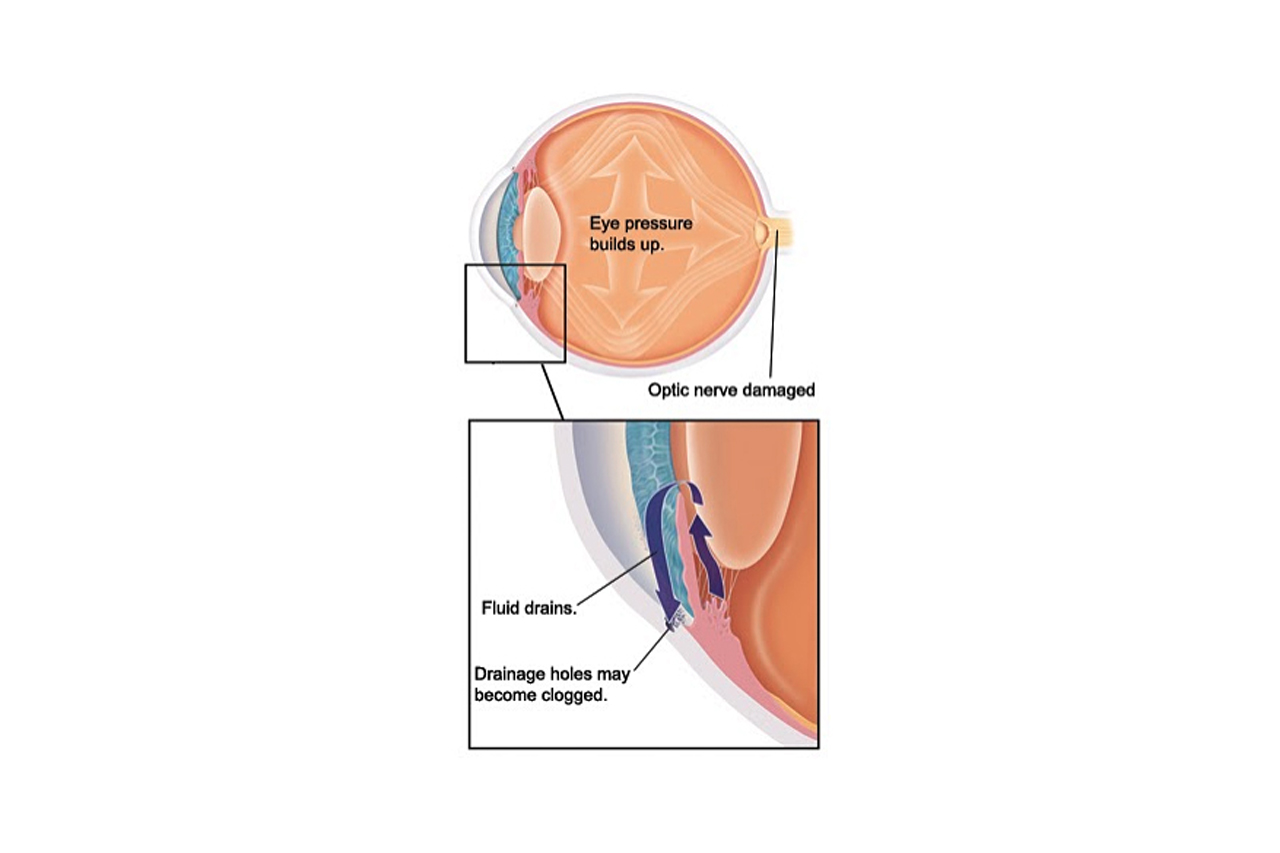
Glaucoma is a group of diseases that damage the optic nerve, the structure responsible for carrying visual information from the eye to the brain. In many cases, this damage is caused by elevated pressure inside the eye, although glaucoma can occur even when eye pressure appears normal.
When fluid inside the eye doesn’t drain properly, pressure builds up. Over time, this pressure damages the optic nerve fibers, leading to gradual vision loss—usually starting in the peripheral (side) vision.
Because optic nerve damage cannot be reversed, early detection is critical. Catching glaucoma early allows treatment to slow or stop progression before significant vision loss occurs.
Other types of glaucoma include:
- Secondary glaucoma
- Pigmentary glaucoma
- Congenital glaucoma
- Normal-tension glaucoma
- Traumatic glaucoma
- Pseudoexfoliative glaucoma
- Neurovascular glaucoma
- Irido corneal endothelial syndrome
- Uveitic glaucoma
The Most Common Types of Glaucoma
Primary Open-Angle Glaucoma
This is the most common type of glaucoma. It develops slowly when the eye’s drainage system is inefficient, leading to gradual pressure buildup.
- Often silent with no early symptoms
- Vision loss occurs slowly over time
- Regular eye exams are the only reliable way to detect it early
This makes awareness especially important during National Glaucoma Awareness Month.
Closed-Angle Glaucoma
Closed-angle glaucoma occurs when the drainage angle of the eye becomes blocked, causing a sudden and dangerous rise in eye pressure.
- Faster onset than open-angle glaucoma
- Considered a medical emergency
Emergency symptoms may include severe eye pain, nausea, headache, blurry vision, or halos around lights. Immediate treatment is critical to prevent permanent vision loss.
What Are the Symptoms of Glaucoma?
Many people with glaucoma experience no symptoms at all, especially in the early stages. When symptoms do occur, they may include:
- Gradual loss of side (peripheral) vision
- Blurred vision
- Halo around lights
- Eye pain or pressure
- Redness of the eye
- Headache, nausea, or vomiting (more common in angle-closure glaucoma)
Because symptoms are often absent or subtle, routine eye exams are essential, even if your vision seems fine.
Who is at Risk for Developing Glaucoma?
There are several risk factors that can increase your odds of developing glaucoma.
Risk factors include:
- High eye pressure (ocular hypertension)
- Age (people over 40)
- Race (African American or Hispanic/Latino populations)
- Family history of glaucoma
- History of eye injury
- Nearsightedness or farsightedness
- Thin corneas
- Thick optic nerves
- Diabetes, migraines, or another serious medical condition
Keep in mind, however, that glaucoma can develop in anyone regardless of whether they meet any of these risk factors. It’s important to regularly monitor your eye health through regular comprehensive eye examinations and glaucoma awareness. Healthy adults over 40 should have medical eye exams every few years, while individuals with diabetes or family history should get checked every 1 – 2 years, and those over 65 should have an exam every 6 – 12 months.
How Is Glaucoma Diagnosed?
Glaucoma is diagnosed through a comprehensive eye examination. During your visit, your eye care provider may perform several tests, including:
- Eye pressure measurement to assess intraocular pressure
- Optic nerve evaluation to look for signs of damage
- Visual field testing to check for peripheral vision loss
- OCT imaging (optical coherence tomography) to measure nerve fiber thickness
These tests allow glaucoma to be detected early, often before vision loss occurs.
Glaucoma Treatment Options
Glaucoma cannot be cured, but its symptoms can be managed.
Prescription Eye Drops
Medicated eye drops are often the first line of treatment. They work by lowering eye pressure and reducing stress on the optic nerve.
Laser Treatments
Laser procedures, such as laser trabeculoplasty or laser iridotomy, can improve fluid drainage and lower eye pressure, depending on the type of glaucoma.
Minimally Invasive Glaucoma Surgery (MIGS)
For some patients, modern options such as MIGS procedures or long-acting therapies like iDose™ may be recommended to manage eye pressure more effectively and reduce reliance on daily drops.
Your doctor will determine the best treatment plan based on your specific condition and needs.
Comprehensive Eye Exams are Vital!
Glaucoma has no early symptoms. Worst of all, by the time symptoms emerge, it’s already too late. By receiving regular comprehensive eye examinations, you can catch the disorder early. Glaucoma awareness can potentially save your vision. During National Glaucoma Awareness Month, awareness is the first step, but action is what truly makes the difference.
Early diagnosis allows your eye care provider to slow disease progression, preserve your vision, and help you maintain long-term eye health. At Eye Care Professionals, we recommend annual eye exams for most adults, especially for those with increased risk factors.
If it’s been a while since your last eye exam, now is the perfect time to take action. Schedule a comprehensive eye examination or contact us at 775-322-1000 to protect your vision and ensure your eyes are healthy for years to come. Our experienced team is here to provide thorough care, advanced diagnostic testing, and personalized guidance every step of the way.
FAQs About Glaucoma
Can glaucoma be prevented?
Glaucoma cannot always be prevented, but early detection and treatment can significantly reduce the risk of vision loss.
Does glaucoma cause blindness?
If left untreated, glaucoma can lead to permanent blindness. Early diagnosis greatly lowers this risk.
How often should I get checked?
Most adults should have comprehensive eye exams annually. Healthy adults over 40 should have medical eye exams every few years, while individuals with diabetes or family history should get checked every 1 – 2 years, and those over 65 should have an exam every 6 – 12 months.