
Understanding the financial aspects of cataract surgery is an important part of planning for better vision. The cost of cataract IOL implants can vary depending on the type of lens selected, the surgical technology used, and insurance coverage available. This guide explains common expenses, coverage options, and what patients can expect when exploring cataract surgery and advanced IOL implant solutions with experienced ophthalmologists in Reno.
What are Cataracts?
Cataracts occur when the lens of your eye becomes cloudy, leading to impaired vision that cannot be corrected with glasses or contact lenses. They are commonly associated with aging but can also result from injury or illness. Cataract surgery involves removing the clouded lens and replacing it with an artificial one, known as an IOL implant.
How Much Do IOL Implants Cost? Average Price Ranges
The cost of cataract surgery and intraocular lens implants can vary depending on the type of lens selected, the surgical technology used, and the patient’s individual vision needs. Standard monofocal lenses are generally the most affordable option, while premium lenses designed to reduce dependence on glasses or correct astigmatism typically involve additional costs not fully covered by insurance.
Monofocal IOL Cost: $1,000–$3,000 Per Eye
Monofocal IOLs are the most commonly used lenses during cataract surgery and are typically covered by Medicare and many private insurance plans. These lenses provide clear vision at a single focal point, usually distance vision, which means some patients may still need reading glasses after surgery. Monofocal lenses are often recommended for patients seeking a reliable and cost-effective solution.
Toric IOL Cost: $1,500–$4,000 Per Eye
Toric IOLs are specifically designed to correct astigmatism while replacing the clouded natural lens. These advanced lenses can improve overall visual clarity and reduce the need for prescription glasses after surgery. Because toric lenses require additional measurements and surgical precision, they usually involve higher out-of-pocket expenses than standard monofocal lenses.
Multifocal IOL Cost: $2,000–$4,000 Per Eye
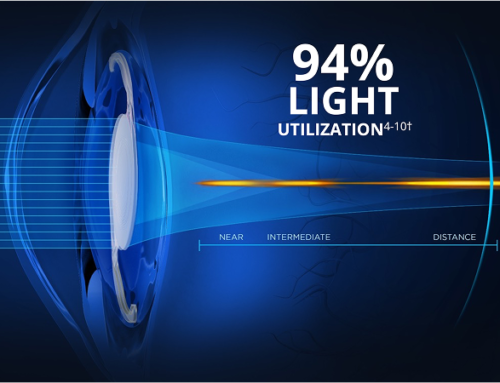
Multifocal IOLs are designed to help patients see at multiple distances, including near, intermediate, and far vision. Many patients choose these lenses to reduce their dependence on glasses or contact lenses following cataract surgery. Since multifocal lenses are considered premium upgrades, insurance providers typically do not cover the full additional cost.
Light Adjustable Lens Cost: $3,000–$5,000 Per Eye
Light Adjustable Lenses (LALs) offer one of the most customizable vision correction options available after cataract surgery. These lenses can be adjusted after the procedure using specialized light treatments to fine-tune visual outcomes. Their advanced technology and personalized approach generally make them one of the most expensive IOL options available.
Factors That Affect the Total Cost of IOL Implant Surgery
The total cost of IOL implant surgery includes more than just the lens itself. Several medical, surgical, and facility-related factors can impact the final price patients pay for cataract treatment.
- Surgeon experience and expertise
- Surgical facility and operating room fees
- Advanced laser-assisted technology
- Diagnostic testing and imaging
- Anesthesia costs
- Follow-up visits and post-operative care
- Type of IOL implant selected
Highly experienced ophthalmologists in Reno may charge more for their expertise and advanced technology, but these factors can also contribute to greater surgical precision, improved outcomes, and higher patient satisfaction.
Does Insurance Cover IOL Implants?
Insurance coverage for IOL implants depends largely on the type of lens selected and the patient’s specific insurance plan. In most cases, standard cataract surgery with a basic monofocal lens is considered medically necessary and is covered by Medicare and many private insurance providers. Premium lenses, however, are often classified as elective upgrades.
Medicare Coverage for Cataract Surgery and IOLs
Medicare generally covers cataract surgery with a standard monofocal IOL implant. This typically includes a portion of the surgeon’s fees, facility costs, and post-operative care associated with medically necessary treatment. Patients are still responsible for deductibles, copays, and any upgrades beyond standard lens options.
Private Insurance: What’s Typically Covered?
Private insurance plans often provide coverage similar to Medicare for medically necessary cataract surgery. However, coverage details can vary depending on the provider and policy terms. Patients should always verify coverage details, referral requirements, and pre-authorization guidelines before scheduling surgery.
Out-of-Pocket Costs for Premium IOLs (Toric, Multifocal, Light Adjustable)
Premium IOLs such as toric, multifocal, and Light Adjustable Lenses usually involve additional out-of-pocket expenses because they provide benefits beyond standard vision correction. These lenses can help reduce dependence on glasses, improve astigmatism correction, and provide more customized visual outcomes. During a consultation, patients can discuss lens options, pricing, and financing solutions with their ophthalmologist to determine the best fit for their vision goals and budget.
The Role of IOL Implants in Cataract Surgery
IOL implants are artificial lenses used to replace the eye’s natural lens during cataract surgery. These implants play a critical role in restoring clear vision. Unlike traditional lenses, modern IOL implants can also correct astigmatism and reduce the need for glasses or contact lenses post-surgery. Ophthalmologists in Reno frequently recommend IOL implants for their effectiveness and versatility.
Understanding IOL Implant Costs
The cost of IOL implants can vary greatly. It depends on factors such as the type of IOL chosen, the complexity of the surgery, and the healthcare provider.
Different Types of IOL Implants
There are various types of IOL implants, including monofocal, multifocal, and toric lenses. Monofocal lenses are the most basic type and are usually covered by insurance plans. Multifocal and toric lenses offer additional benefits, such as correcting presbyopia and astigmatism, but come with higher costs.
How the Type of IOL Implant Impacts the Costs
The type of IOL implant you choose significantly impacts the overall cost. Monofocal lenses can cost $1,000 to $3,000 per eye, while multifocal and toric lenses can cost $1,500 to $4,000 per eye. The choice of lens will depend on your specific vision needs and budget.
Factors Influencing the Overall Cost
Besides the lens type, several factors affect the total cost of IOL implants. These factors include:
- The surgeon’s fees
- Facility charges
- Any additional pre- or post-operative care
- Anesthesia costs
- Follow-up visits
For instance, highly experienced ophthalmologists in Reno might charge more for their expertise. However, this often results in better outcomes, fewer complications, and higher patient satisfaction. Additionally, the facility’s location and the clinic’s reputation can also impact the overall cost.
Insurance Coverage for IOL Implants
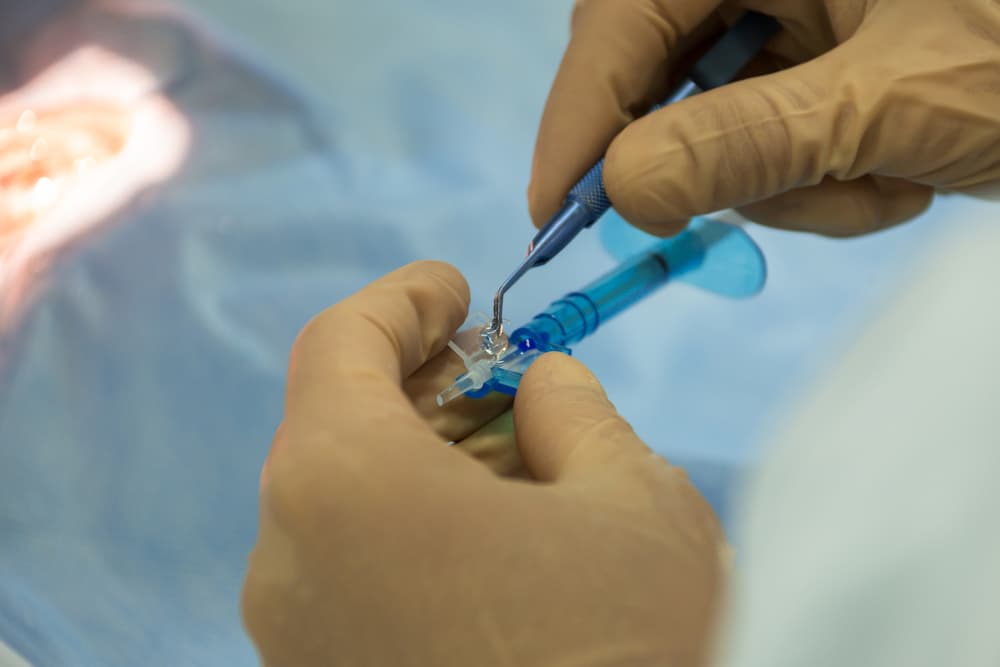
What is Typically Covered for Cataract Surgery Under Standard Insurance Plans
Understanding the extent of insurance coverage for IOL implants is crucial for managing expenses associated with cataract surgery. Generally, basic monofocal IOL implants are covered by most insurance plans, including Medicare, as they are considered medically necessary. These basic lenses provide clear vision at a single focal point, usually distance vision, and are standard in cataract surgery.
However, premium IOL implants like multifocal, light adjustable lenses, and toric lenses often fall under elective enhancements. Since they offer additional benefits beyond restoring basic vision, insurance companies typically do not cover the extra costs associated with these advanced lenses. Patients opting for multifocal or toric lenses should be prepared to pay out-of-pocket expenses, which can increase the total cost of the surgery.
Tips for Maximizing Insurance Coverage for IOL Implants
It is essential to be proactive to maximize your insurance coverage for IOL implants. Start by consulting with your insurance provider to understand what is covered under your plan. Pre-approval processes can often save you from unexpected out-of-pocket expenses.
Additionally, some insurance companies offer supplemental plans specifically designed to cover premium lens costs and other advanced eye care services.
Trust Our Expert Ophthalmologist
Navigating the cost considerations and insurance coverage for IOL implants can seem overwhelming, but understanding your options can make the process smoother. From selecting the right type of IOL implant to maximizing your insurance benefits, each step requires careful planning and consultation with experienced ophthalmologists in Reno.
If you need cataract surgery, Eye Care Professionals are here to guide you through every step. Contact us today to book an appointment for a better vision.