Red, irritated eyes can make it difficult to determine whether you have conjunctivitis or blepharitis. Although these conditions can cause similar discomfort, they affect different areas and may require different care. Understanding conjunctivitis vs. blepharitis can help you recognize important differences, avoid ineffective remedies, and know when to schedule an eye exam.
Why These Two Conditions Get Confused
Blepharitis and conjunctivitis can both make the eyes appear red, watery, and irritated. Either condition may also cause burning, itching, discharge, or light sensitivity. Because several symptoms overlap, appearance alone does not always reveal which condition is responsible.
Conjunctivitis—commonly called pink eye—is inflammation of the conjunctiva, the transparent membrane covering the white part of the eye and the inside of the eyelids. Blepharitis is inflammation of the eyelids, particularly along the eyelid margin.
The distinction matters because conjunctivitis may be viral, bacterial, allergic, or irritant-related. Blepharitis is often associated with bacteria, skin conditions, Demodex mites, or dysfunction of the meibomian glands. A comprehensive eye exam can determine what is affecting your eyes and guide appropriate treatment.
1. They Affect Different Parts of the Eye
The primary difference between these conditions is where the inflammation develops.
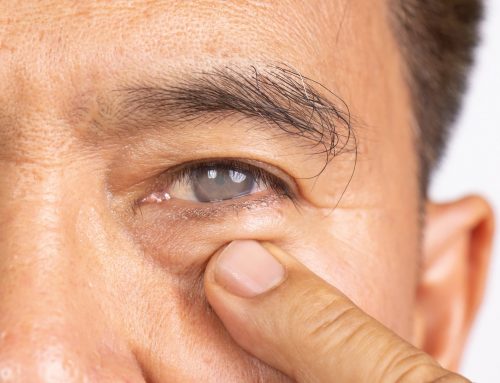
Conjunctivitis affects the conjunctiva. When this membrane becomes inflamed, the white of the eye may appear pink or red. The inner eyelid can also become swollen or irritated.
Blepharitis affects the eyelids and the base of your eyelashes. There are two primary forms:
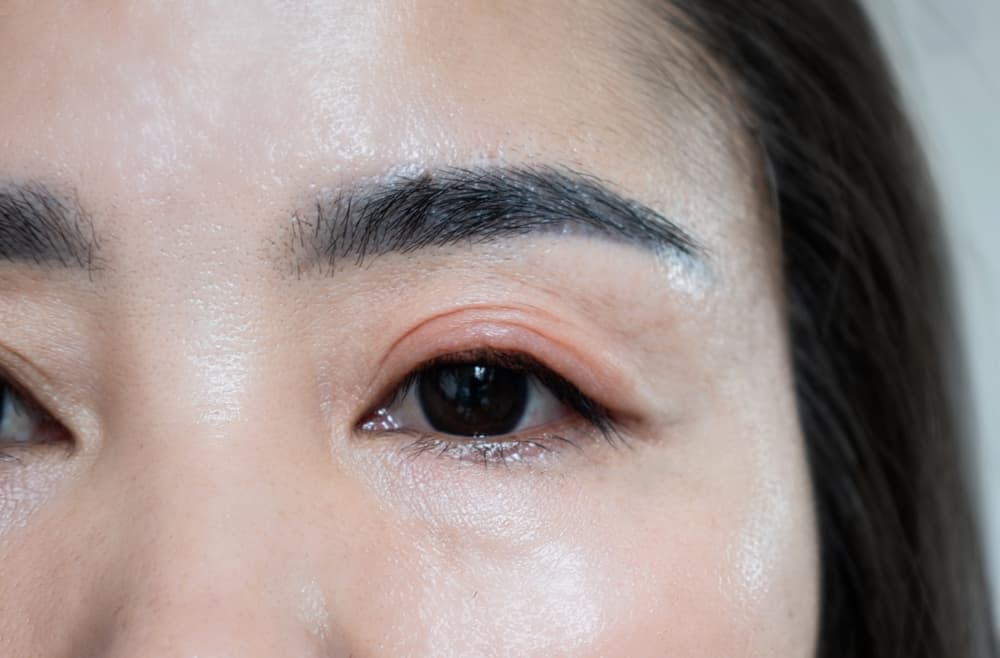
- Anterior blepharitis affects the outer front portion of the eyelid, where the eyelashes grow. Flakes or crust may collect around the lashes.
- Posterior blepharitis affects the inner eyelid margin and meibomian glands. These glands produce oils that help stabilize the tear film and prevent tears from evaporating too quickly.
For example, widespread redness across the white of the eye may suggest conjunctivitis. Crusting concentrated around the eyelashes and irritated eyelid edges may be more consistent with blepharitis. However, an examination is necessary for a reliable diagnosis.
2. The Symptoms Overlap, but Aren’t Identical
When comparing pink eye vs. blepharitis, pay attention to where the discomfort occurs and whether eyelid debris is present.
Common conjunctivitis symptoms may include:
- Pink or red discoloration of the white of the eye
- Watery eyes or increased tearing
- Itching, particularly with allergic conjunctivitis
- Mucus or pus-like discharge
- Eyelids sticking together after sleep
- Burning, irritation, or a gritty sensation
Common symptoms of blepharitis include red or swollen eyelid margins, crusting around the lashes, burning, itching, tearing, dry-eye discomfort, and the sensation that something is in the eye. Other signs of blepharitis include oily eyelids, flaking skin, intermittent blurry vision, and eyelashes growing abnormally or falling out.
Discharge offers another useful clue. Bacterial conjunctivitis may produce thicker discharge throughout the day, while blepharitis more commonly causes flakes or crust concentrated around the eyelashes. Viral conjunctivitis often produces watery discharge and may accompany a respiratory infection. These patterns are helpful, but they should not replace a professional evaluation.
3. The Causes Are Different
Conjunctivitis has several possible causes. Viral conjunctivitis is frequently associated with viruses that also cause colds. Bacterial conjunctivitis develops from a bacterial infection, while allergic conjunctivitis can be triggered by pollen, dust, mold, or animal dander. Smoke, chemicals, contact lenses, and other irritants may also inflame the conjunctiva.
Blepharitis is often a chronic condition rather than a short-term infection. Potential contributing factors include:
- Excess bacteria around the eyelashes
- Blocked or poorly functioning meibomian glands
- Demodex mites in eyelash follicles
- Rosacea
- Seborrheic dermatitis or dandruff
- Allergies and dry-eye disease
Consider two people with red, itchy eyes. One develops watery redness during pollen season and may have allergic conjunctivitis. Another experiences recurring crusts around the lashes and oily eyelid margins, which may indicate blepharitis. Similar complaints can therefore have very different underlying causes.
4. Treatment Isn’t Interchangeable
Treatment depends on the condition and its cause. An antibiotic eye drop will not treat viral or allergic conjunctivitis, and not every case of blepharitis needs antibiotics. Using leftover medication or another person’s prescription can delay appropriate care and create additional risks.
Conjunctivitis care may involve supportive measures, allergy treatment, or prescription medication, depending on its cause. Artificial tears may help relieve irritation in some cases. An eye doctor may prescribe antibiotics for certain bacterial infections or recommend antihistamine drops for allergic conjunctivitis.
Patients wondering how to treat blepharitis at home can often begin with eyelid hygiene after receiving professional guidance. Your eye doctor may recommend that you:
- Apply warm compresses to a closed eye
- Use clean warm water and the recommended cleansing product
- Gently clean the eyelid margin and eyelashes
- Keep your hands, towels, pillowcases, and eyelids clean
- Avoid eye makeup or contact lenses during active irritation when advised
A warm compress can loosen crusts and soften oils blocking the glands, while careful cleansing removes debris. Proper technique matters: a compress should feel comfortably warm, not hot, and nothing should be squeezed into the eye.
Depending on the cause and severity, professional treatment may include antibiotic ointments, prescription drops, oral medication, anti-inflammatories, dry-eye therapy, or an in-office treatment such as LipiFlow. Never start prescription medication without an examination.
5. You Can Have Both at the Same Time
Blepharitis and conjunctivitis are not mutually exclusive. Inflammation and bacteria along the eyelid margin can affect the ocular surface and contribute to conjunctival irritation. This combined condition is sometimes called blepharoconjunctivitis.
Having both may cause eyelid crusting along with pronounced redness of the eye, discharge, burning, or excessive tearing. Treating only one part of the problem may allow symptoms to continue. Addressing eyelid inflammation, tear-film instability, and conjunctival irritation together can provide more complete relief and protect long-term eye health.
Seek prompt care for significant eye pain, worsening light sensitivity, sudden vision changes, an injury, chemical exposure, or symptoms occurring while wearing contact lenses.
Schedule an Eye Exam to Get the Right Diagnosis
The differences between conjunctivitis vs. blepharitis are not always obvious without a professional examination. At Eye Care Professionals, we evaluate the eyelids, tear film, conjunctiva, and ocular surface to identify what is causing your symptoms.
If redness, crusting, burning, or irritation persists, schedule an eye exam at our Reno office. We can determine whether you have pink eye, anterior or posterior blepharitis, dry eye, or another condition and recommend care tailored to your eyes.