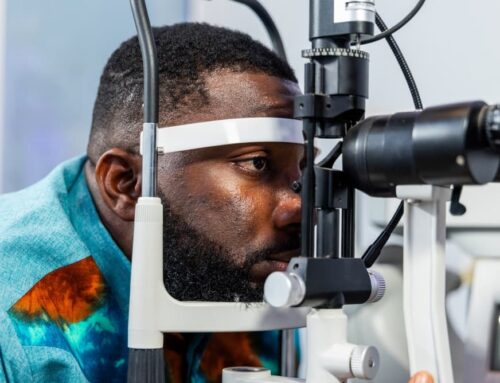

If you’re considering Refractive Lens Exchange (RLE) eye surgery to correct your vision and reduce your dependence on glasses or contact lenses, one of your primary concerns may be the cost. While the benefits of clearer sight are clear, understanding the financial investment is equally important. Here we’ll break down the factors influencing RLE eye surgery costs, providing the clarity you need to make an informed decision.
What Is RLE Eye Surgery? A Quick Overview
RLE eye surgery is a refractive lens exchange procedure that permanently replaces your natural lens with an artificial intraocular lens (IOL). It is usually done to treat presbyopia or age-related nearsightedness and can be a great alternative for those who don’t want or can’t have LASIK vision correction. It is also a preventative surgery against cataracts since your natural, aging lens is replaced.
RLE is a highly effective procedure that can significantly improve your vision and quality of life, but it’s essential to clearly understand the expenses involved.
Average Cost of RLE Eye Surgery in 2026
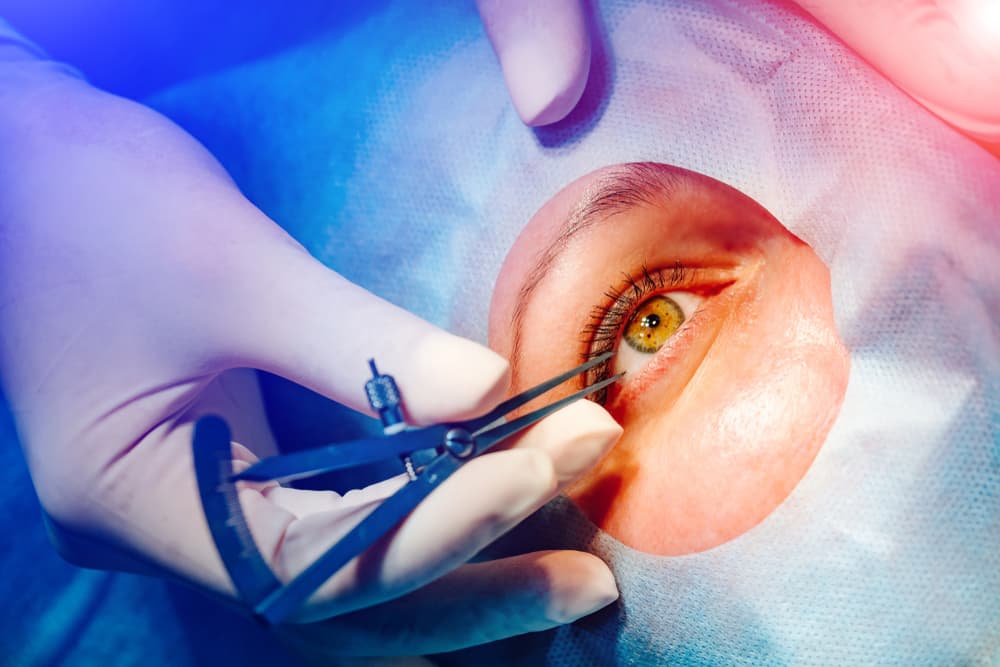
While the cost of the RLE procedure can vary significantly, the average price in the United States typically ranges from $3,000 to $6,000 per eye. However, the total cost can vary based on factors such as technology used, geographic location, and the type of intraocular lens selected. Because every patient’s vision needs are unique, a consultation is the best way to receive an accurate treatment estimate.
RLE Eye Surgery Cost Per Eye
For patients researching RLE cost per eye, pricing generally ranges from $3,000 to $6,000 per eye treated. The final cost depends on your treatment plan, lens selection, and any additional diagnostic or surgical services included.
RLE Surgery Cost by Lens Type
The type of IOL chosen can significantly affect the overall cost of RLE surgery. Premium lens options, including multifocal and toric lenses, typically cost more than standard monofocal lenses because they can address multiple vision needs and reduce dependence on glasses after surgery.
Factors That Affect RLE Eye Surgery Costs
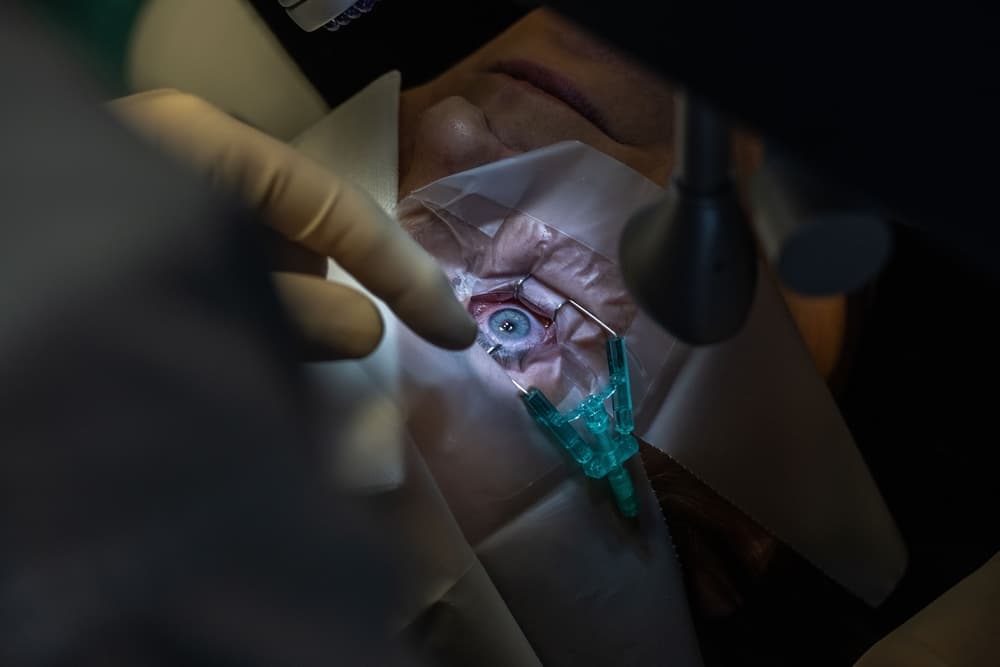
The cost of RLE eye surgery varies from case to case. Several factors, including the following, determine overall cost:
Surgeon Expertise and Board Certification
Ophthalmology surgeons who are board-certified and have received fellowship training in refractive surgery possess the expertise and experience necessary to deliver exceptional care. Their extensive knowledge and skill ensure that patients receive the highest-quality treatment.
Type of Intraocular Lens (IOL)
Advanced lenses generally cost more, as the specific lens type varies with each patient’s needs. The type of intraocular lens (IOL) used can impact the overall cost. Premium, or advanced IOLs, which correct both near and distance vision, are typically more expensive.
Surgical Technology Used
Conscientious surgeons understand the value of investing in sophisticated, high-quality diagnostic and surgical equipment to deliver exceptional healthcare. They prioritize acquiring the latest, most advanced technology to ensure optimal patient care.
Pre- and Post-Operative Care
Reputable eye surgery clinics prioritize delivering exceptional patient care by dedicating ample time and resources. This commitment necessitates a skilled team of technicians, administrative personnel, and cleaning staff. Comprehensive pre- and post-surgery care is also provided, albeit at an associated cost.
It’s important to note that additional fees may apply for anesthesia, medications, pre-operative and post-operative care, follow-up visits, and any other potential services required. Before scheduling the procedure, speak with your physician about any potential hidden costs.
What’s Included in the RLE Surgery Package?
When comparing RLE surgery costs, it’s crucial to understand what is included in the quoted price. A comprehensive RLE package should typically cover:
- The surgical procedure itself
- Pre-operative and post-operative consultations
- Surgeon’s fees
- Facility fees
- Anesthesia
- All necessary follow-up appointments and care
Be sure to clarify with your chosen provider what is included in their pricing to avoid unexpected expenses.
Does Insurance Cover RLE Eye Surgery?
Many patients ask, “Is RLE covered by insurance?” In most cases, Refractive Lens Exchange (RLE) is considered an elective vision correction procedure and is not typically covered by insurance. However, coverage may be available when the procedure is deemed medically necessary based on specific eye health conditions and your insurance policy.
When RLE Is Considered Medically Necessary
Insurance coverage varies by provider and individual circumstances. Your ophthalmologist can help determine whether your condition qualifies for coverage and discuss any expected out-of-pocket expenses before treatment.
Using HSA/FSA for RLE Surgery
Many patients use Health Savings Accounts (HSA) or Flexible Spending Accounts (FSA) to help pay for eligible vision correction expenses. Check with your plan administrator to confirm how your benefits may apply to RLE surgery.
RLE Surgery Financing Options and Payment Plans
Because RLE is often considered a long-term investment in vision, many practices offer financing options and payment plans to make treatment more affordable. Available programs may allow qualified patients to spread the cost over time rather than paying the full amount up front. During your consultation, our team can discuss financing options and help you understand the total cost of your treatment plan.
RLE vs. LASIK: Which Is More Cost-Effective?
When comparing RLE vs. LASIK cost, it’s important to consider both the initial expense and long-term value. LASIK is often less expensive upfront, while RLE may provide additional long-term benefits because the eye’s natural lens is replaced with an artificial intraocular lens (IOL). For many patients over 50, RLE can reduce dependence on glasses while also eliminating future cataract development in the treated lens.
RLE Eye Surgery Cost by Location
The cost of RLE surgery can vary depending on geographic location, surgeon experience, technology, and lens selection. Patients researching RLE costs should remember that pricing often varies across regions and metropolitan areas.
RLE Surgery Cost in Reno, NV
Patients seeking RLE surgery in Reno benefit from access to advanced technology and experienced refractive surgeons. The exact cost varies based on your vision needs and the type of intraocular lens selected.
National Average vs. Your Area
Nationally, RLE eye surgery generally costs $3,000 to $6,000 per eye. A consultation with your surgeon is the best way to receive an accurate estimate based on your individual treatment plan and location.
Is RLE Eye Surgery Worth the Cost? A Cost-Benefit Analysis
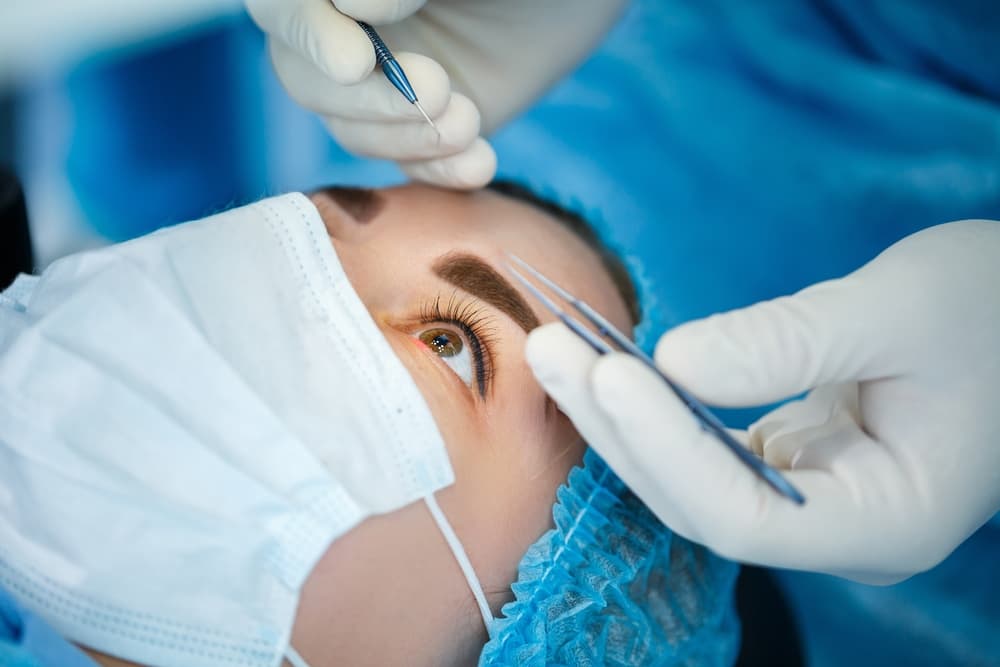
Before deciding on RLE eye surgery, it’s essential to conduct a cost-benefit analysis. Consider the following factors:
- The long-term savings on glasses and contacts: RLE can be more cost-effective than the ongoing expenses of prescription eyewear.
- Improved quality of life: Assess the value of clearer vision, convenience, and freedom from glasses or contacts.
- Prevention of cataracts: RLE replaces your eye’s natural lens. Cataracts happen as we age, but if your aging lens is replaced, your risk of developing cataracts and needing cataract surgery is significantly reduced.
Schedule Your RLE Consultation at Eye Care Professionals
Understanding the costs associated with RLE eye surgery is critical in your journey toward better vision. While the upfront expense may seem daunting, weighing the costs against the benefits is essential. The potential for long-term savings on glasses and contacts, improved quality of life, and enhanced career opportunities can make RLE a safe and worthwhile investment.